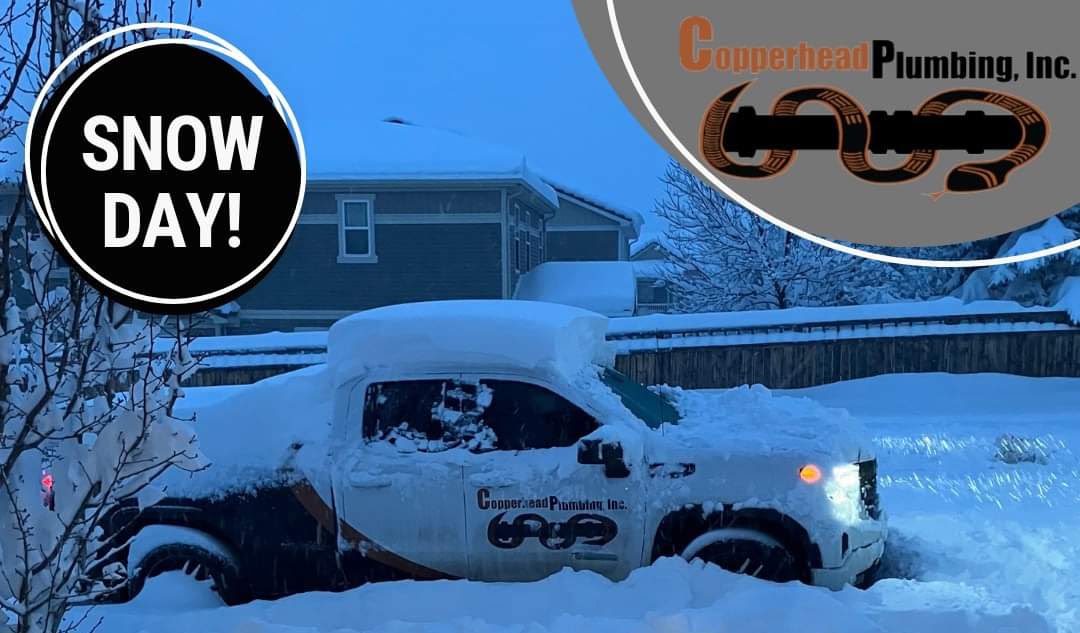
Colorado winters can bring freezing temperatures, snow, and rapidly changing weather conditions that can put your home’s plumbing system at risk. Frozen pipes, burst pipes, water leaks, clogged drains, and water heater problems are common plumbing concerns when temperatures drop below freezing.
The good news is that a little preparation can go a long way.
Whether you live in Lone Tree, Castle Rock, Highlands Ranch, Parker, or elsewhere along Colorado’s Front Range, this winter plumbing checklist can help you protect your home and reduce the risk of an unexpected plumbing emergency.
Why Colorado Winters Can Be Hard on Your Plumbing
When outdoor temperatures fall below freezing, water inside vulnerable plumbing pipes can freeze and expand. As the water expands, it can create significant pressure inside the pipe.
Eventually, that pressure can cause a pipe to crack or burst.
Pipes in unheated or poorly insulated areas are particularly vulnerable, including:
- Garages
- Crawl spaces
- Basements
- Attics
- Exterior walls
- Utility rooms
- Outdoor structures
A pipe does not have to freeze completely to become a problem. Even a partial freeze can create enough pressure to damage your plumbing system.
Taking steps to winterize your plumbing before freezing temperatures arrive can help prevent frozen pipes, water damage, and costly emergency plumbing repairs.
1. Disconnect Your Outdoor Garden Hoses
One of the easiest and most important winter plumbing maintenance tasks is disconnecting your outdoor hoses.
Before freezing temperatures arrive, remove garden hoses from all exterior faucets. A connected hose can trap water inside the faucet and supply line, increasing the risk of freezing and damage.
After removing the hose:
- Check the outdoor faucet for leaks.
- Look for visible cracks or damage.
- Make sure the faucet shuts off completely.
- Check that water drains properly.
If your home has frost-free or freeze-resistant hose bibs, they can provide additional protection, but they still need to be installed and maintained correctly.
2. Insulate Exposed Plumbing Pipes
Pipe insulation is one of the most effective ways to help protect vulnerable plumbing during a Colorado winter.
Inspect exposed pipes in areas such as:
- Garages
- Crawl spaces
- Basements
- Utility rooms
- Exterior walls
- Under sinks
- Other unheated areas
Pay particular attention to pipes located near exterior walls or areas where cold air can enter the home.
Pipe insulation can help maintain water temperature, reduce the risk of frozen pipes, and may also improve energy efficiency.
If you’re unsure which pipes need insulation, one of our professional plumbers can inspect your home’s plumbing system and identify vulnerable areas.
3. Seal Cold-Air Drafts Around Your Home
Cold air entering your home can lower temperatures around nearby plumbing pipes.
Before winter arrives, inspect your home for drafts around:
- Exterior doors
- Windows
- Foundation openings
- Plumbing penetrations
- Utility openings
- Garage doors
- Vents
Seal obvious gaps and openings to help keep cold air away from vulnerable plumbing.
This is especially important in areas where plumbing pipes run through exterior walls, garages, crawl spaces, or other spaces that aren’t adequately heated.
4. Locate Your Main Water Shutoff Valve
Every homeowner should know where the main water shutoff valve is located.
If a pipe freezes and bursts, shutting off the home’s water supply quickly can significantly reduce the amount of water released into your home.
Before winter, locate the main shutoff and make sure it is accessible. It’s also a good idea to make sure everyone in your household knows where it is and how to operate it.
If you’re not sure which valve controls your home’s main water supply, our technicians can help identify it.
5. Schedule Water Heater Maintenance
Your water heater can work harder during the winter because the water entering your home is colder.
Before winter, inspect your water heater for warning signs such as:
- Leaking water
- Rust or corrosion
- Unusual noises
- Inconsistent water temperature
- Insufficient hot water
- Visible damage
If your water heater is older or showing signs of failure, consider scheduling one of our technicians for a full water heater inspection or maintenance service before the coldest weather arrives.
A water heater problem during a Colorado cold snap can be particularly inconvenient. Preventative maintenance may help identify potential problems before they become an emergency.
6. Keep Your Home Warm During Cold Weather
If you’re leaving your Colorado home during the winter, avoid turning the heat off completely.
Maintaining a reasonable indoor temperature can help prevent plumbing located inside walls and other areas of the home from reaching freezing temperatures.
This is especially important if your home will be vacant for an extended period.
Before leaving your home, consider:
- Maintaining indoor heat.
- Having someone periodically check the property.
- Making sure the main water shutoff is accessible.
- Asking a professional plumber about winterizing the plumbing system if the property will be vacant for an extended period.
7. Open Cabinets Under Sinks During Extreme Cold
During periods of extremely cold weather, opening cabinet doors underneath sinks can allow warmer indoor air to circulate around plumbing pipes.
This can be particularly helpful for sinks located against exterior walls.
If you leave cabinets open, make sure household cleaners and other potentially hazardous products are stored safely away from children and pets.
8. Don’t Ignore a Slow or Frozen Faucet
If a faucet suddenly produces only a small trickle during freezing weather, there could be a frozen water pipe somewhere in your plumbing system.
Don’t ignore the problem.
A frozen pipe can eventually thaw and reveal a crack or rupture, potentially causing significant water damage.
If you suspect a frozen pipe:
- Keep the affected faucet open.
- Shut off the main water supply if you suspect the pipe has burst.
- Never use an open flame to thaw a frozen pipe.
- Do not apply extreme heat directly to the plumbing.
- Contact Copperhead Plumbing if you cannot safely identify or resolve the problem.
If you notice reduced water flow during a freeze, addressing the issue quickly may help prevent a much larger plumbing emergency.
9. Check Your Sump Pump and Drains
Winter plumbing preparation isn’t limited to water supply pipes.
If your home has a sump pump, test it before winter and make sure it is operating properly. Check that the discharge line is clear and that water can drain away from your home’s foundation.
You should also inspect basement and floor drains for debris or obstructions.
Keeping your home’s drainage system clear can help it handle melting snow, ice, and winter precipitation.
10. Check Toilets, Faucets, and Plumbing Fixtures
Winter is a good time to address small plumbing problems before they become expensive repairs.
Look for:
- Running toilets
- Dripping faucets
- Leaking supply lines
- Loose toilet bases
- Slow drains
- Damaged shutoff valves
- Leaking shower fixtures
- Leaking bathtub fixtures
Even a small plumbing leak can waste water and potentially lead to property damage.
If you notice a leak, slow drain, or other plumbing issue, consider having it repaired before freezing temperatures arrive.
11. Schedule a Professional Plumbing Inspection
Homeowners can handle many basic winter plumbing maintenance tasks, but some plumbing problems aren’t easy to identify without professional experience and equipment.
Consider scheduling a professional plumbing inspection with us before winter if:
- Your home has older plumbing.
- You’ve experienced frozen pipes in the past.
- Your water pressure has recently changed.
- You have recurring drain problems.
- Your water heater is aging.
- You’ve noticed unexplained increases in water usage.
- You have exposed or vulnerable plumbing pipes.
- You’re concerned about the condition of your plumbing system.
A professional inspection can help identify potential problem areas before freezing temperatures turn them into an emergency plumbing repair.
What to Do If a Pipe Freezes or Bursts
Even with proper preparation, frozen and burst pipes can still happen during a Colorado winter.
If you discover a burst pipe, your first priority should be stopping the flow of water.
If a pipe bursts:
- Shut off the home’s main water supply.
- Turn off electricity to affected areas if water has reached electrical equipment, but only if you can do so safely.
- Open faucets to help relieve remaining water pressure.
- Move valuables and belongings away from the water if possible.
- Contact Copperhead Plumbing regarding the emergency work needed.
- Document the damage for your insurance company if appropriate.
Do not attempt complicated plumbing repairs yourself if you’re unsure what caused the pipe to fail.
One of our professional plumbers can identify the source of the problem, repair the damaged plumbing, and help determine whether additional pipes may be at risk.
Frequently Asked Questions About Winter Plumbing
How cold does it have to be for pipes to freeze?
Pipes can freeze when temperatures reach below 32°F, particularly when plumbing is located in unheated areas or exposed to cold air. The risk can vary depending on insulation, pipe location, weather conditions, and how long temperatures remain below freezing.
How can I prevent frozen pipes in Colorado?
Some of the most important steps include insulating exposed pipes, disconnecting outdoor hoses, sealing drafts, maintaining indoor heat, and addressing plumbing problems before freezing weather arrives.
What should I do if I have a frozen pipe?
Keep the faucet open and avoid using an open flame or extreme heat to thaw the pipe. If you suspect the pipe has burst, shut off your home’s main water supply and contact us.
Should I turn off my water when leaving my Colorado home in winter?
If you’re leaving your home for an extended period, ask one of our licensed plumbers about the appropriate winterization steps for your specific plumbing system. Maintaining adequate indoor heat is also important when cold weather is expected.
When should I schedule winter plumbing maintenance?
It’s best to prepare before the first major freeze. A professional plumbing inspection in the fall can help identify vulnerable pipes, leaks, water heater problems, and other issues before winter weather arrives.
Protect Your Plumbing Before Colorado’s Coldest Weather Arrives
A little preparation can go a long way toward protecting your home during a Colorado winter.
Taking care of frozen pipe prevention, exposed plumbing, outdoor faucets, water heaters, leaks, drains, and other potential plumbing problems before temperatures drop can help reduce the risk of an unexpected plumbing emergency.
If you live in Lone Tree, Castle Rock, Highlands Ranch, Parker, or the surrounding Colorado area, a Copperhead Plumbing residential service plumber can inspect your plumbing system and help identify potential problem areas before winter arrives.
Don’t wait for freezing temperatures to reveal a plumbing problem. Preparing your plumbing before winter can help keep your home protected, comfortable, and ready for Colorado’s coldest days.
Protect Your Home With Automatic Leak Detection
Winter plumbing problems aren’t always obvious until water damage has already occurred.
Our previous blog post on Automatic Leak Detection explains how a smart water shutoff system can monitor your home’s water usage, alert you to potential leaks, and help reduce the risk of major water damage.
Combined with proper winter plumbing maintenance, automatic leak detection and smart water shutoff technology can provide another layer of protection for your home.
If you’re concerned about frozen pipes, water leaks, your water heater, or other winter plumbing problems, contact Copperhead Plumbing before the next cold snap.
0 Comments