
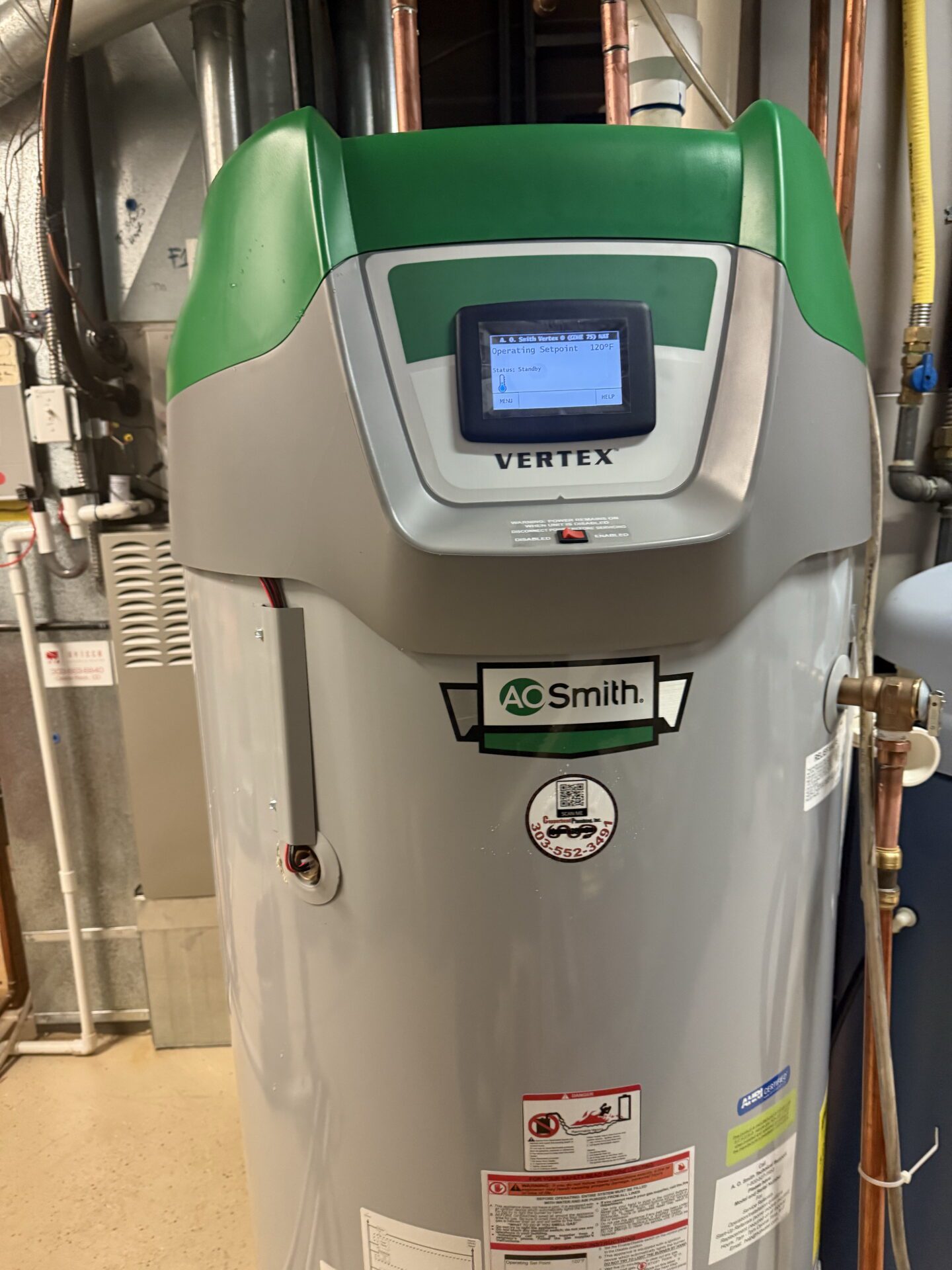
Water heaters are a crucial part of your home’s plumbing system; but improper or no maintenance can have a severe impact on your water heater’s performance and efficiency. Sediment, calcification and mineral buildup lead water heaters to lose efficiency and increase operating costs. Having your water heater flushed and maintained yearly has been proven to increase your water heaters lifespan.
Hiring a licensed plumber to perform yearly maintenance on your water heater ensures that you are protecting your investment. Yearly maintenance on your water heater by a licensed plumber is much more than just a flush; it is a complete check of your water heating system; including ball valves, anode rods, T&P valves, expansion tank, burner assembly and other components that may lead to water heater failure if it is not inspected by a licensed plumber.
How often should you flush your water heater?
A residential water heater should be flushed at least once a year for tanked models. For tankless water heaters, yearly maintenance should be performed every 9 months to 1 year. Colorado is known to have moderately hard to hard water; given this, a home in the Denver Metro Area should have its water heater maintenance more frequently than to prevent mineral and sediment build up.
How do you know if your water heater needs to be flushed?
Outside of just the yearly maintenance, there are signs to look for that indicate when your water heater may need to be flushed:
- Reduced Hot Water Supply
- Cloudy or Discolored Water
- Loud Noises coming from Your Water Heater
- Lengthened time for your water heater to produce hot water
- Inconsistent water temperatures
Is there a risk to not flushing your water heater?
Not performing at least an annual flush on your water heater can lead to severe sediment build up. Over time, this can lead to unnecessary stress on the tank. The sediment forces your burner to work harder as it tries to heat the water through the sediment. This causes metal stress on the tank that will eventually lead to leaks. As the glass line in your tank deteriorates, the chemicals in the sediment can cause your water heater to corrode faster; thus leading to an increased risk of leaking and total water heater failure.
Do I need a plumber to flush a water heater?
While a homeowner can flush a water heater themselves, it is always recommended to hire a licensed plumber to flush and maintain your home’s water heater. There are quite a few steps and procedures that you want to follow to ensure you flush the water heater appropriately. From removing the anode rods, to ensuring gas is shut off properly, and everything in between; these are steps a licensed plumber is familiar with and performs on a daily basis. Additionally, our plumbers show up with fully stocked vans to make any repairs immediately, so the homeowner doesn’t have to worry about finding the correct part.
A Guide to What Types of Water Heaters need to be Flushed & When:
- Atmospheric (Gas) Tanked Water Heater – Yearly
- Power Vent & Power Direct Vent Water Heater – Yearly
- Tanked Electric Water Heater – Yearly
- Tankless Gas Water Heater – 6 Months – 1 Year
- Tankless Electric Water Heater – 6 Months – 1 Year
0 Comments